How to Create a BedroomThat Truly Helps You Rest
A third of your life happens in this room — design it like it matters.
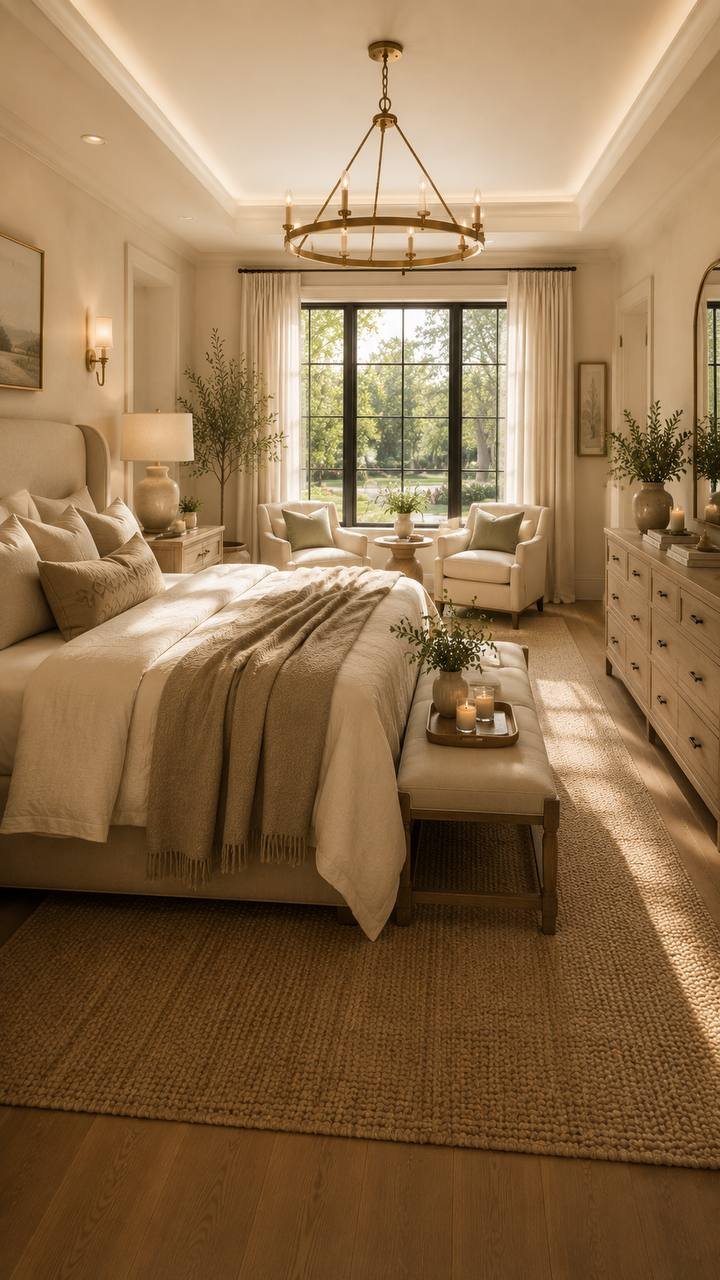
We plan kitchens for cooking and living rooms for company, yet the bedroom — the room where the body repairs itself, where the mind quiets down, where every day begins and ends — is so often the last one we think about. It becomes the room where things end up.
Here is the good news: a restful bedroom is not a question of square meters or budget. It is a question of intention. Rest has ingredients — darkness, quiet, softness, order — and every one of them can be designed. This is how.
Foundations
Why the Bedroom Deserves Design First
Sleep is the foundation under everything else you want from life — energy, patience, focus, health. A bedroom that works with your body, instead of against it, pays you back every single morning.
- Quality sleep depends measurably on darkness, temperature, and calm — all three are design decisions.
- The last room you see at night and the first you see in the morning quietly sets the tone of your day.
- A bedroom with one clear purpose — rest — asks nothing of you when you walk in.
- Unlike a renovation, most of what follows can be done in a weekend.
Color
Choose a Palette That Lowers Your Pulse
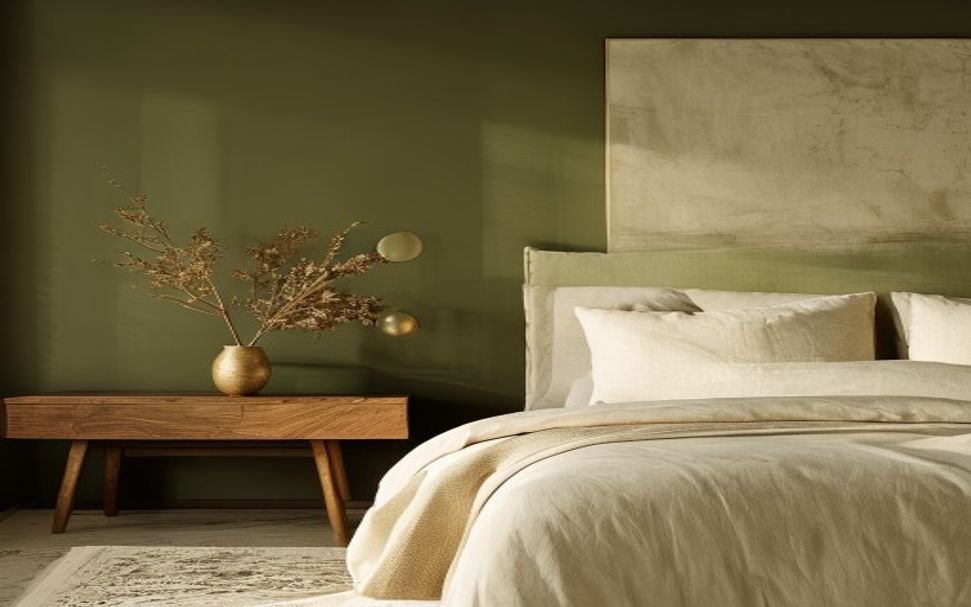
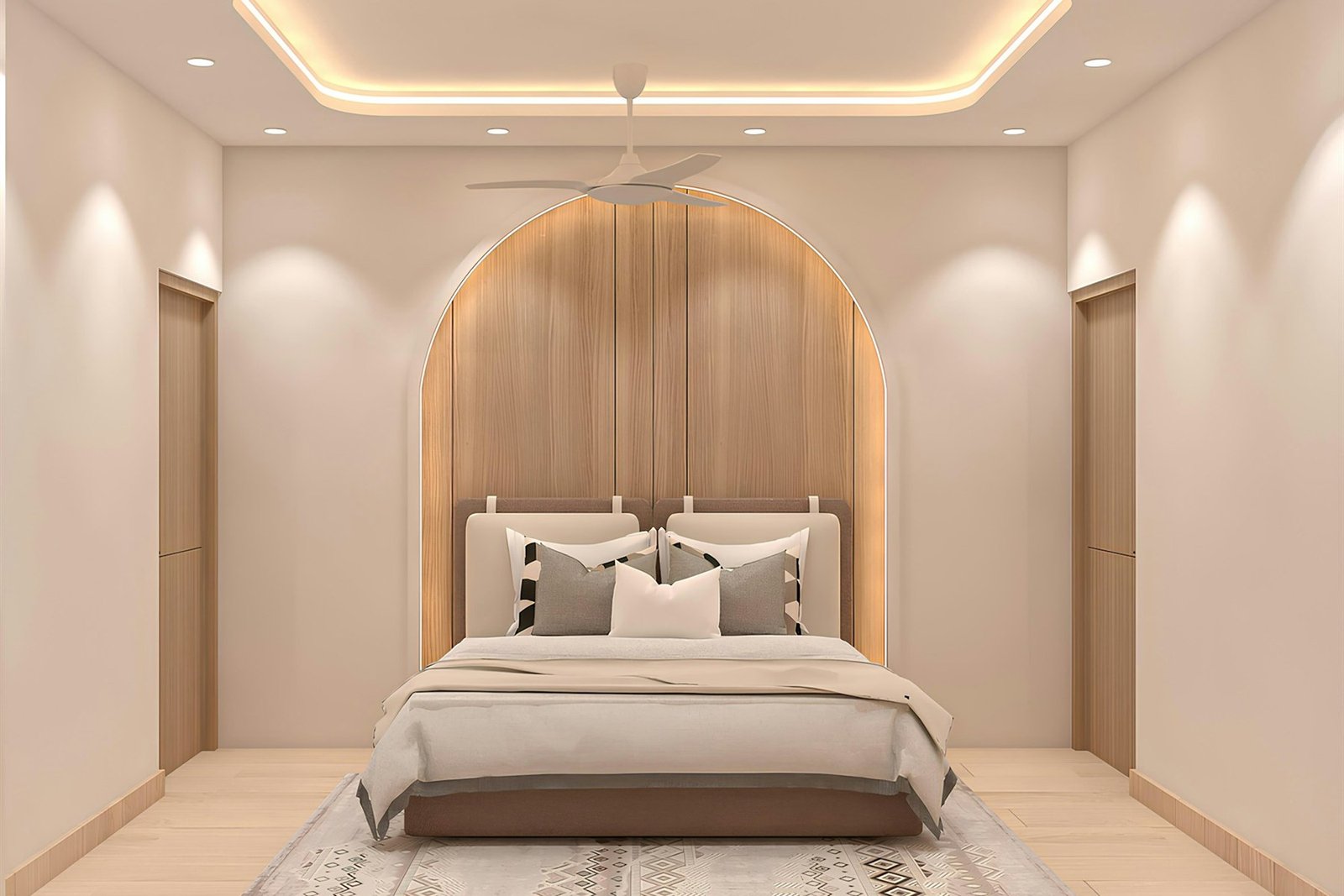
The bedroom is the one room where color should do less, not more. Think of the palette as a long exhale: soft, muted, and continuous from wall to bed to floor.
- Stay with warm neutrals, gentle earth tones, or muted greens — colors found in nature at dusk.
- Keep contrast low: walls, linens, and curtains within the same tonal family.
- Save saturated color for one small, changeable accent — a cushion, a vase, a book.
- Matte finishes rest the eye; gloss and strong pattern keep it working.
If a color would feel loud in a library, it will feel loud at midnight.
The Bed
Invest Where Your Body Spends the Night
If the bedroom has a hierarchy, the bed is its architecture. Everything else in the room is secondary to how those eight hours actually feel.
- Put your best budget into the mattress and pillows — the two things you touch all night.
- Choose natural, breathable linens: cotton, linen, or a blend. Skin notices what it cannot name.
- Layer the bed — sheet, light blanket, cover — so it adapts to the season without a remodel.
- A real headboard, even a simple one, anchors the room and makes the bed feel intentional.
Light & Darkness
Design Both Halves of the Night
A restful bedroom needs two opposite things from light: generous softness in the evening, and true darkness once you close your eyes. Most bedrooms deliver neither.
- Replace the overhead habit with two low, warm lamps (2700K or less) at either side of the bed.
- Add a blackout layer behind your curtains — darkness is the single cheapest sleep upgrade there is.
- Dim the room progressively in the last hour before bed; your body reads it as a sunset.
- Keep screens — and their standby lights — out of the sightline of the pillow.
The Four Ingredients of Rest
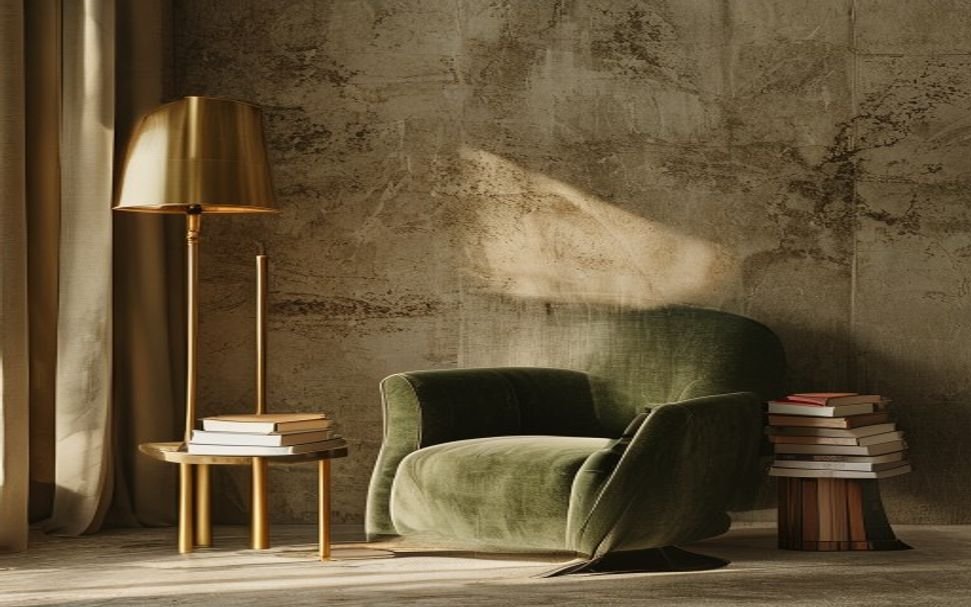
Every deeply restful bedroom serves all four — check yours against the list.
Order
Let the Room Ask Nothing of You
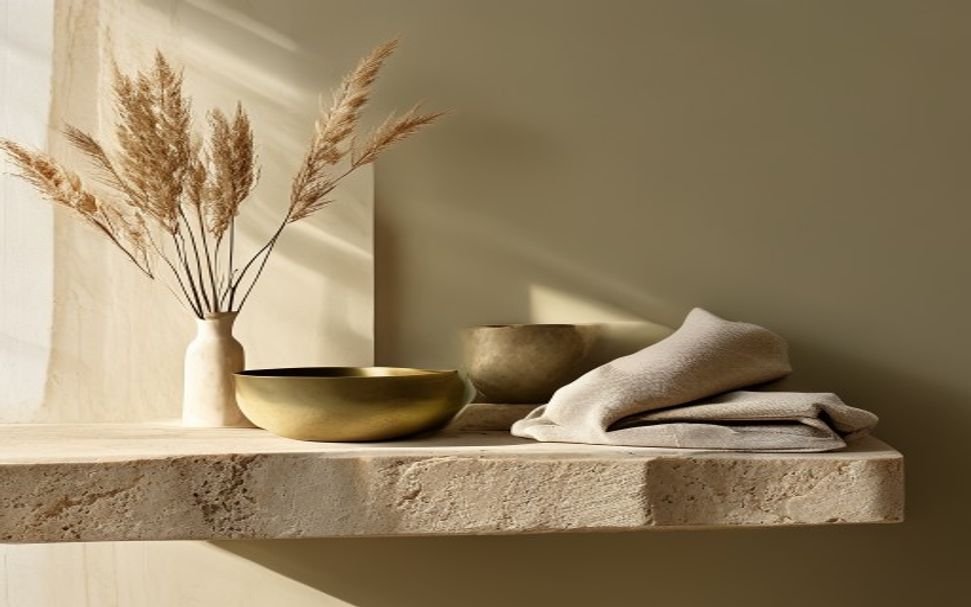
Visual noise is a to-do list your mind reads before sleeping. The calmest bedrooms are not empty — they are simply resolved: everything present has a place and a reason.
- Keep nightstands to three things or fewer — a lamp, a book, a glass of water.
- Prefer closed storage in the bedroom; open shelves belong to daytime rooms.
- Move the laundry chair’s job to real hooks or a small valet inside the closet.
- End the day with a two-minute reset — the morning version of you will be grateful.
✦ Designer Tips
- Place the bed so you see the door from it, but are not aligned with it — the room instantly feels calmer.
- Hang curtains wider and higher than the window; the room grows and darkens better at night.
- One large piece of calm art beats a gallery wall in a bedroom.
- A soft rug where your feet land in the morning is a small daily luxury — and it quiets the room.
- Scent is design too: keep one gentle, consistent note — lavender, linen, cedar.
- If the room must share duties with a desk, screen the desk from the bed — even a curtain works.
Final Thoughts
You do not need a new house, a bigger room, or a renovation to sleep better tonight. You need a room that has been told, clearly, what it is for. Choose calm over clever, softness over spectacle, and let every object in the room earn its place by serving rest.
Start with the simplest change on this list — the lamps, the nightstand, the blackout layer — and add one more each week. Within a month, the most important room in your home will finally be working the night shift for you.